What Is Reiki?
A Pathway to Natural Healing and Inner Balance
“A practice that relieves not only the external, physical sufferings, but the internal sufferings and obscuration of humankind.”
— Dr. Mikao Usui
Reiki is a gentle yet powerful hands-on healing technique that supports well-being on every level—physical, emotional, mental, and spiritual. Rooted in ancient wisdom and rediscovered by Japanese monk Dr. Mikao Usui, Reiki offers a natural, non-invasive way to restore harmony and unlock the body’s innate healing potential.
What Does Reiki Mean?
The word Reiki (pronounced ray-key) comes from two Japanese words:
- Rei – meaning “universal” or “God consciousness”
- Ki – meaning “life energy”
Together, Reiki translates to universal life energy. This energy flows through all living beings and is the force that sustains life itself. When our energy is free-flowing and balanced, we experience health, vitality, and clarity. Reiki works by gently clearing blockages in this energy flow, helping us return to our natural state of balance and well-being.
The Origins of Reiki
Reiki as we know it today was developed by Dr. Mikao Usui, a Buddhist monk who sought to understand the healing miracles described in ancient texts. After extensive study—including ancient Sanskrit scriptures—he travelled to Mount Kurama in Japan, where he spent 21 days in solitude, fasting, meditating, chanting, and praying.
During this retreat, Dr. Usui received intuitive guidance and sacred symbols that unlocked the ability to channel healing energy. When he descended from the mountain and began using this gift, he found he could help others heal. This marked the birth of Usui Reiki.
What Can Reiki Help With?
Reiki is a holistic practice that works across four levels of being:
- Physical – addressing pain, injury, and illness in the body
- Emotional – helping you process and release feelings
- Mental – calming overactive thoughts and promoting clarity
- Spiritual – expanding self-love, compassion, and connection
It’s commonly used on its own or alongside other treatments. For example, many undergoing chemotherapy use Reiki to reduce side effects and boost resilience. Reiki is also helpful for stress-related conditions, emotional imbalances, and energetic fatigue—ailments many of us face in the modern world.
What to Expect in a Reiki Session
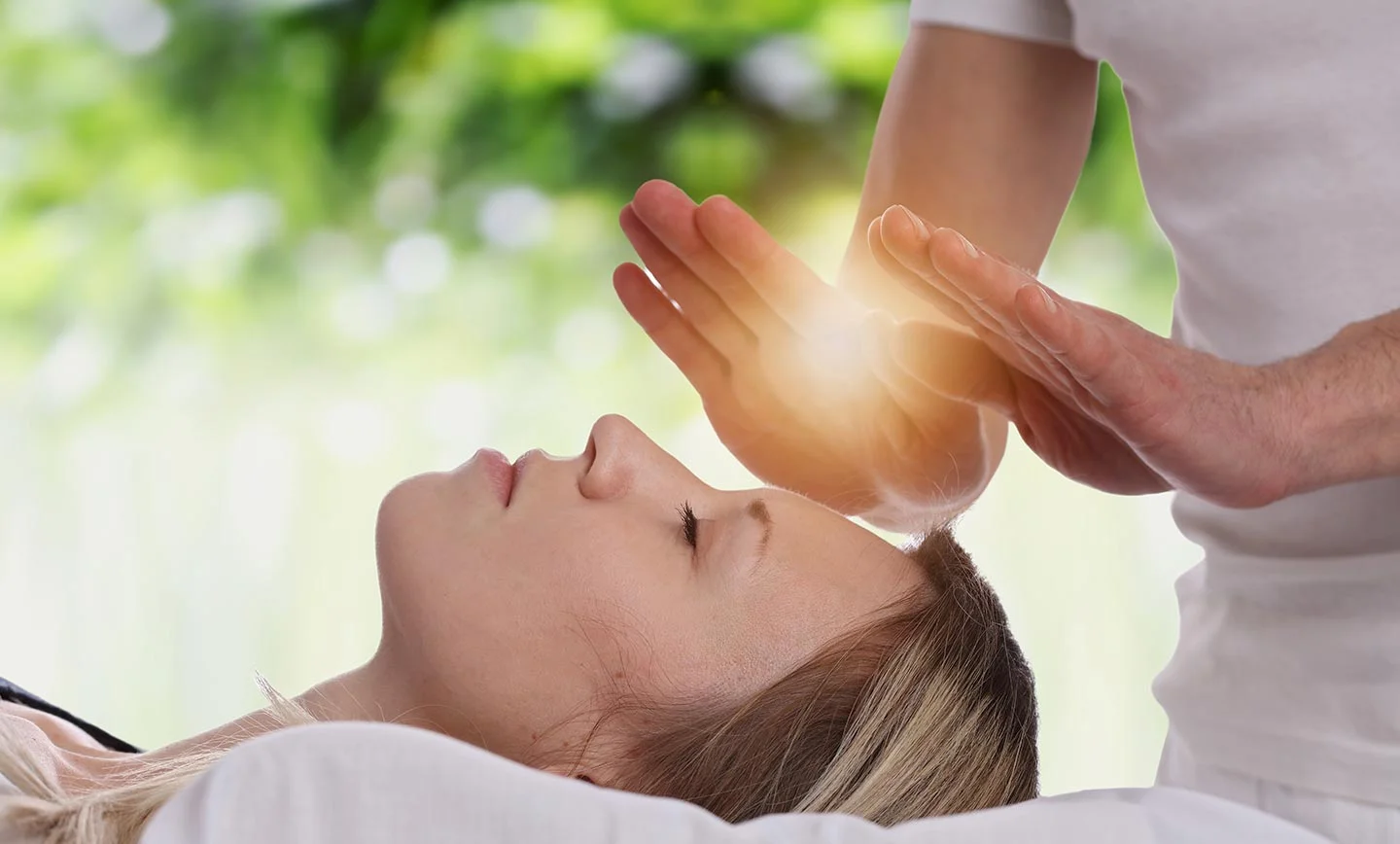
A Reiki session is a deeply relaxing experience. You remain fully clothed and lie down comfortably, typically on a massage table. The practitioner will either place their hands lightly on or just above your body.
Everyone’s experience is unique. You might:
- Feel warmth, tingling, or gentle energy movement
- See colours or feel a deep sense of peace
- Have old emotions rise to the surface for release
Some people drift into sleep; others may find themselves quietly processing thoughts or emotions. All of it is welcome. If emotional release occurs, it’s a sign the body is ready to let go of stored feelings. Emotions are “e-motion”—they are meant to move through us, not remain trapped.
As a trained counsellor, I can also support you if you’d like to explore anything that arises during the session. Reiki creates a safe, compassionate space for healing to unfold naturally.
After Your Session
After your treatment, give yourself time to rest and reflect.
Here are a few suggestions to support integration:
- Be gentle with yourself the rest of the day
- Spend time in nature if possible
- Drink plenty of water to help flush toxins
- Consider setting a positive intention as you hydrate
The Wisdom of Reiki in My Practice
I first discovered Reiki in 2017, before I began studying Ayurveda. After receiving my Level 1 attunement, I felt called to continue with Level 2 practitioner training—even as I deepened my Ayurvedic path—because people resonate with different approaches. Ultimately, all the energy we work with comes from the same source, regardless of the modality being used.
While both Reiki and Ayurveda work with the subtle and gross bodies, Reiki offers a non-invasive approach to energy healing. There’s no need to remove clothing, and even physical touch is optional. For many, it provides a comforting and accessible way to reconnect with themselves.
In Reiki, I am not the healer. I am simply the conduit—a channel through which universal life energy flows. The Reiki energy itself knows where it is needed. My role is to hold space and allow that intelligence to move freely.
Reiki is not just about healing symptoms—it’s about returning home to yourself.
Whether you are navigating physical discomfort, emotional heaviness, or simply seeking deeper alignment, Reiki offers a gentle hand to guide you back to wholeness.
Would you like to explore what Reiki could bring to your life?